Blog ·
Is Your Home Ready for Solar? A Homeowner's Guide
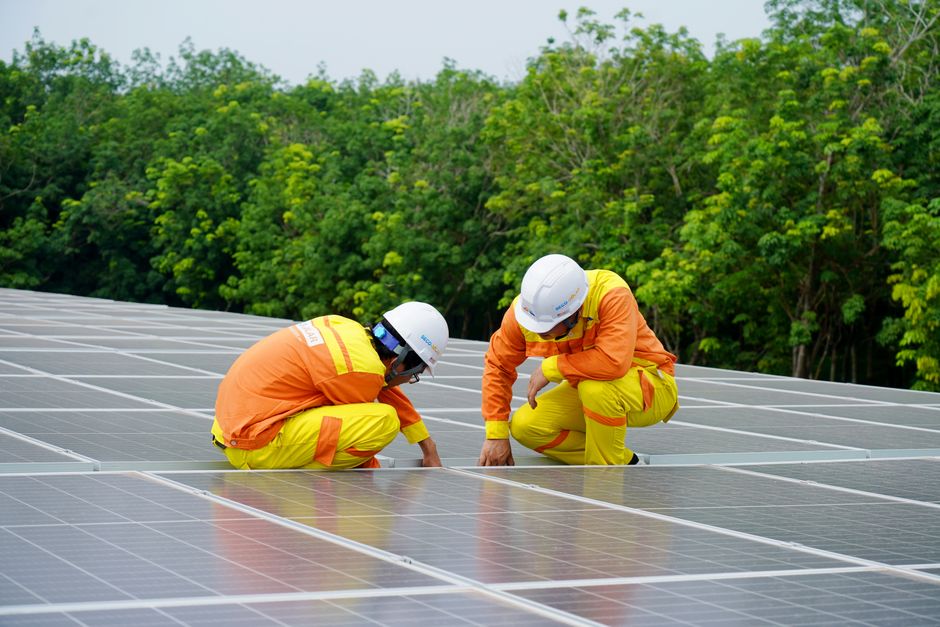
Understanding Solar Potential
Before investing in residential solar panels, it's important to evaluate whether your home is a good candidate. Several factors determine your solar potential, and understanding these will help you make an informed decision about this investment for your household.
Roof Condition and Orientation
Your roof's age and condition matter significantly. Most solar systems last 25-30 years, so ideally your roof should have many years of useful life remaining. Southern-facing roofs in the Northern Hemisphere receive the most direct sunlight and are typically ideal, though east and west-facing roofs can also work well depending on your location.
Shade Assessment
Shade from trees, buildings, or other structures reduces solar panel efficiency. Observe how shade patterns move across your roof throughout the day and different seasons. Even partial shade can impact system performance significantly. Professional assessments can determine whether shade will meaningfully affect your energy production and investment value.
Available Roof Space
Most residential systems require between 200-400 square feet of unobstructed roof space. However, the exact amount depends on your energy goals and the efficiency of the panels you choose. Some homeowners use multiple roof sections or install ground-mounted systems if traditional roof space is limited.
Your Energy Usage Patterns
Review your utility bills from the past year to understand your average monthly energy consumption. This historical data helps determine the system size that best matches your actual needs. Homes with higher summer cooling demands may benefit from solar systems sized to handle peak usage periods.
Local Climate and Weather
Solar panels work effectively in most climates, including cloudy regions, though sunnier areas generate more consistent energy. Your location's average temperature and weather patterns affect overall system performance. Modern panels work efficiently even in varied weather conditions and continue producing power on overcast days.
Getting a Professional Assessment
A qualified solar professional can evaluate all these factors for your specific property. They'll examine your roof structure, assess shade patterns throughout the year, review your actual energy usage, and determine your solar potential accurately. This professional guidance is crucial for making the right decision and sizing a system that meets your energy goals and home's characteristics.