Blog ·
Does Your Home Get Enough Sunlight for Solar Panels? A Practical Assessment Guide
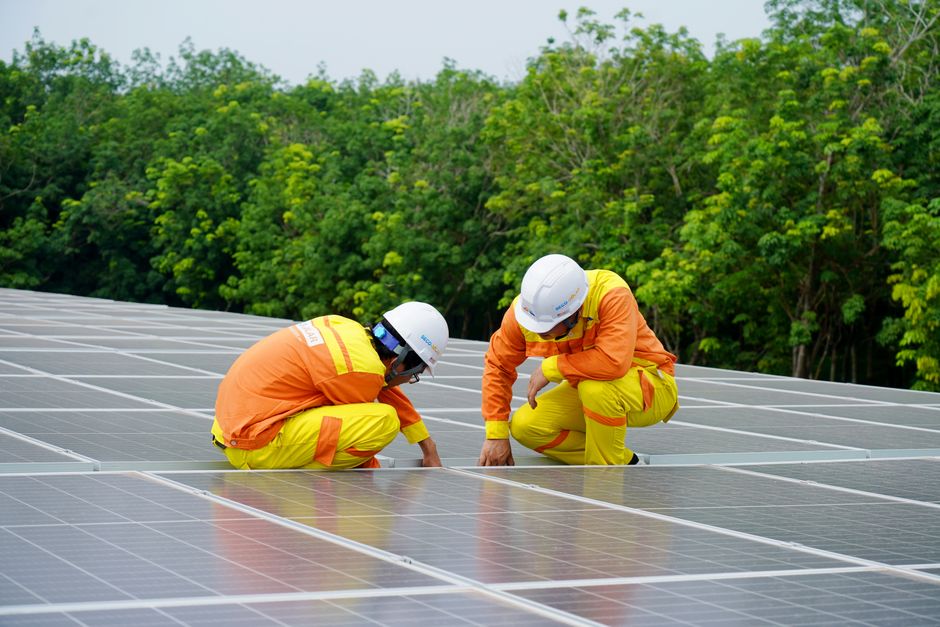
When you're considering residential solar panel installation, one of the first questions you should ask is whether your home receives adequate direct sunlight. Sunlight exposure directly affects the performance and efficiency of your solar system. Understanding your home's solar potential is the first step before our team at Aphodian Kyro begins your custom solar panel design process.
Why Direct Sunlight Matters for Solar Efficiency
Solar panels convert sunlight into electricity. The more direct, unobstructed sunlight your roof receives, the more energy your system can generate. Even partial shading from trees, buildings, or other structures can significantly reduce your panels' output. This is why assessing your sunlight exposure is essential before committing to professional solar installation.
Methods to Evaluate Your Home's Sunlight Exposure
Start with a simple visual inspection. Observe your roof throughout the day, noting which areas receive full sun without shadows. Pay special attention during different seasons, as the sun's path changes. A north-facing roof in the Northern Hemisphere typically receives less direct sunlight than south-facing surfaces.
Next, document obstacles around your property. Trees, neighboring buildings, chimneys, and other structures create shadows that reduce solar potential. Consider whether trees are growing and might cast larger shadows in future years.
For more precise measurements, use an online solar assessment tool or a solar pathfinder device. These tools show the sun's movement patterns across your specific location and identify shading issues. Many homeowners also benefit from professional site evaluations, where experts assess sunlight angles and duration with specialized equipment.
How This Assessment Guides Your Custom Solar Design
Your sunlight assessment directly informs our custom solar panel design process. When our team understands your home's specific sunlight conditions, we can recommend optimal panel placement, the right number of panels, and appropriate installation angles. Homes with excellent sunlight exposure might support a larger system, while properties with moderate sun might benefit from high-efficiency panels or strategic placement.
Taking the Next Step
If your sunlight assessment looks promising, you're ready for a professional evaluation. Our complete photovoltaic integration process begins by thoroughly analyzing your property. We evaluate not just current sunlight conditions but also future factors that might affect your system's performance.
The good news: most residential properties receive sufficient sunlight for effective solar installation. Even homes with some shading challenges can still benefit from solar energy. Our professional solar installation team works with your property's unique characteristics to design a system that maximizes your clean energy potential and helps you power your future.